
- 0113 268 2500
Specialist periodontal treatment
Periodontitis is a serious gum infection that is the biggest cause of tooth loss in over-40s. It is an advanced stage of Gum Disease and is a very common condition that affects the structures that surround and support your teeth such as the gum and bone. Bacteria biofilm known as plaque accumulates at the spot where teeth come through the gums, infecting the tissue and bone that support the teeth.
Despite being so widespread, it can often go unnoticed for many years, and if left undiagnosed and untreated, it can go onto leading to tooth loss in a group of people.
What Is Gum Disease?
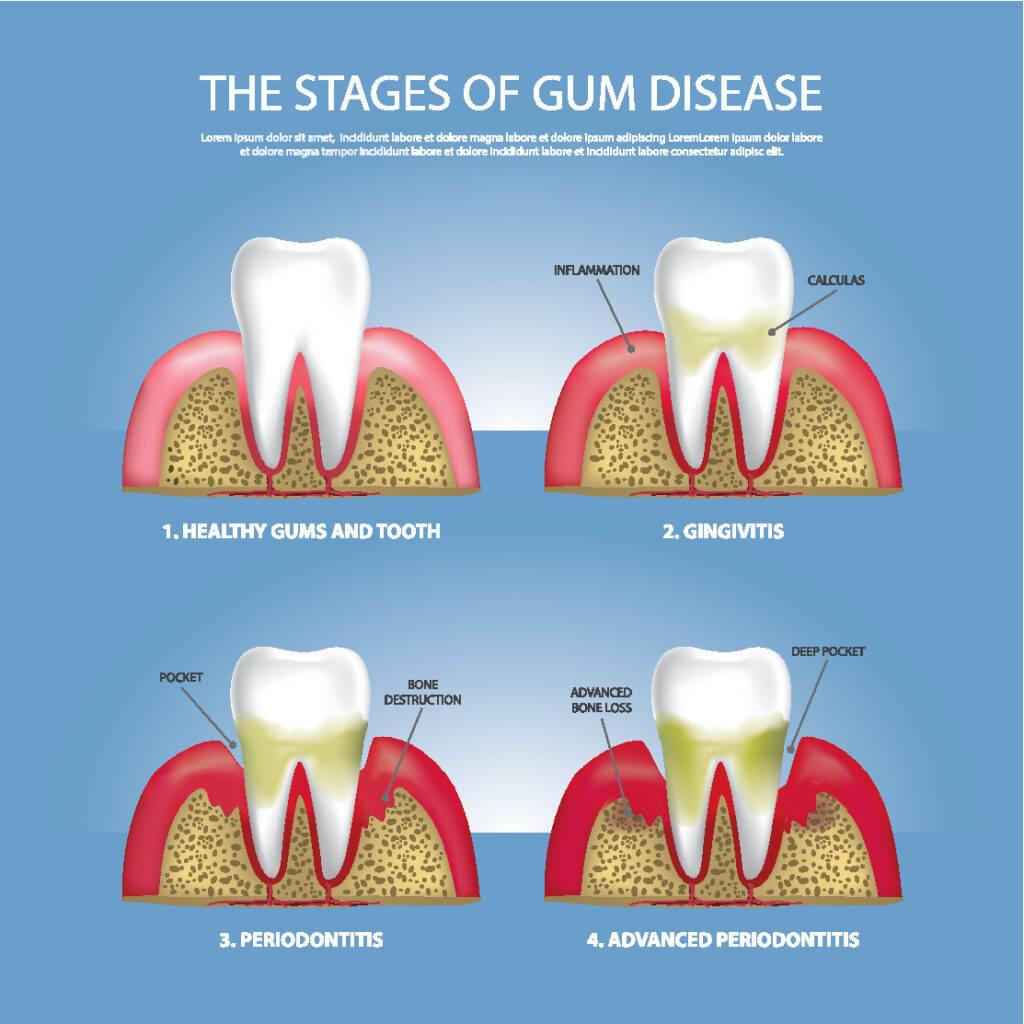
Gum disease is caused by a build-up of bacteria on tooth surfaces, which accumulate over time to form a sticky substance known as plaque. As plaque accumulates on teeth, it may lead to your gums becoming swollen, red and inflamed and may start to bleed/become sore. This early stage of gum disease is known as gingivitis. In some people if left untreated, this may progress to a more advanced form of gum disease, known as periodontitis, where the gums and bone surrounding the teeth are progressively destroyed, leading them to separate and lose their attachment to the teeth. Eventually this may lead to loosening and mobility of the teeth, causing them to fall out.
What Is A Periodontist?
Our principal dentist, Dr Paul Roberts has a special interest and extensive experience in the diagnosis and treatment of gum disease. He uses the latest techniques to carefully examine all the soft tissues of your mouth, and measure the depth of the natural pockets between your teeth and gums. If your gums are healthy, the depth of these pockets is usually between 1 millimetre and 3 millimetres. If you have deeper gum pockets, you are more likely to have significant periodontal gum disease. A detailed examination, will allow Dr Roberts to design your treatment plan best adapted to your needs and circumstances
Preventing Gum Disease
Prevention is key when it comes to gum disease. It is easier, quicker and cheaper to keep your gums in great health than to restore them or replace teeth lost to periodontal disease. The most important advice in preventing the progression of gum disease is maintaining effective oral hygiene to remove accumulating plaque from all tooth surfaces on a daily basis. Good toothbrushing technique and cleaning in between the teeth using interdental brushes and/or floss is key to this. Maintaining regular dental appointments and hygiene visits may also allow a dental care professional to spot the signs of gum disease, give specific tailored advice and any necessary treatment to help stop the progression of the disease.
© Dr Paul Roberts 2021 – Last Updated 05/05/2021